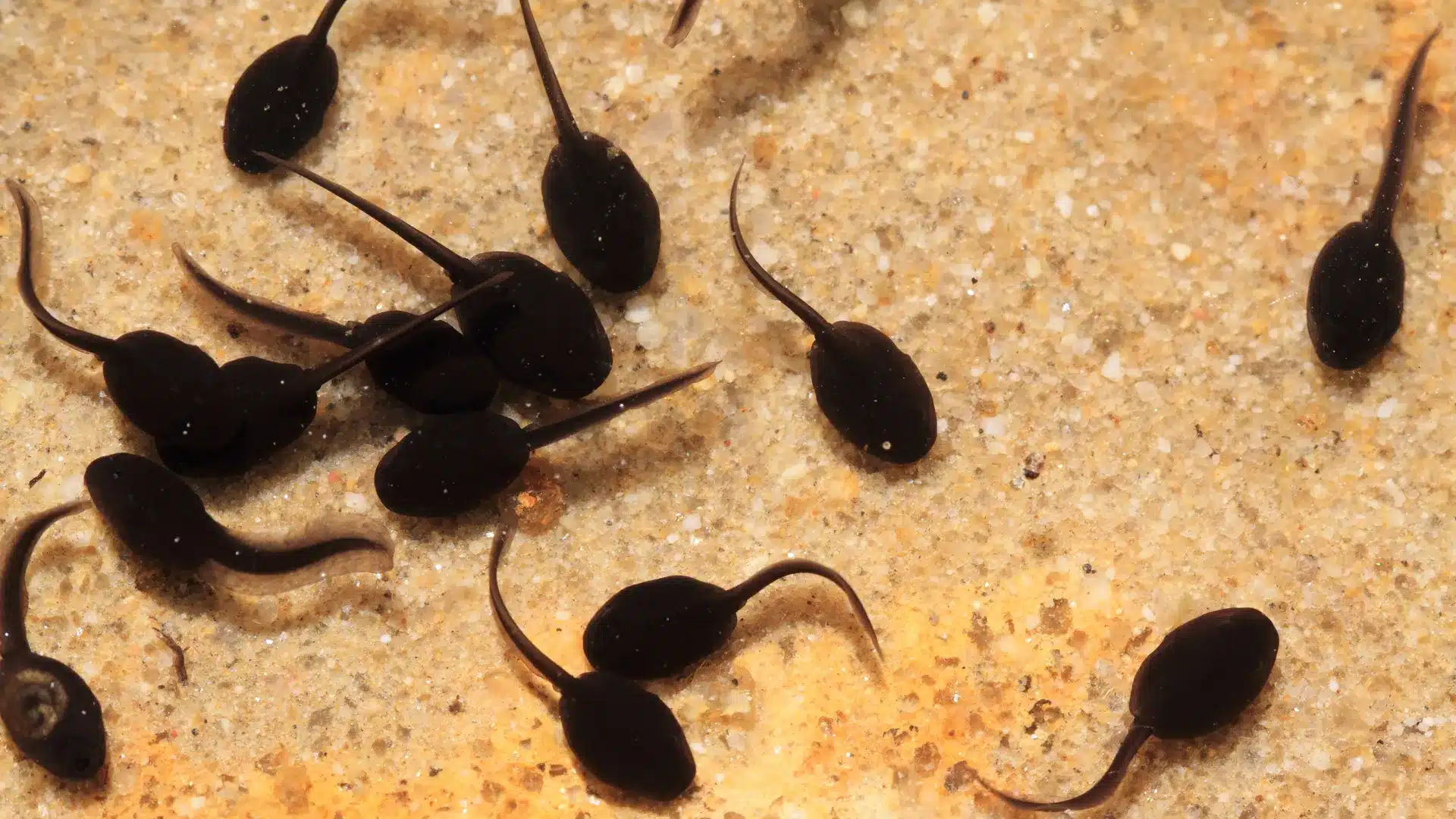

Some amphibians can regenerate parts of their bodies, such as limbs and even organs. But until now, this extraordinary process had remained largely a mystery. Adding another piece to the puzzle today is a recent study by a team of researchers at the École Polytechnique Fédérale de Lausanne (EPFL), according to which oxygen plays a crucial role in limb regeneration: when cells detect it, this determines whether the regeneration process can begin. The study was published in Science.
Amphibians can regenerate limbs, but mammals cannot
As a brief reminder, limb regeneration begins with wound healing. After an amputation, in fact, the cells at the site of the injury must quickly seal the wound and transform into regenerative cells. While we know that this process proceeds smoothly in amphibians, in mammals, however, it stops prematurely. This is due to the fact that wound closure is slower and scar tissue formation takes over, thereby blocking regeneration. According to experts, this difference between amphibians and mammals lies in the environment: amphibian larvae, in fact, develop in water, where oxygen levels are lower than in the air, to which mammalian tissues are instead exposed. “Although many studies have shown that regenerative species such as amphibians and mammals share similar genes, suggesting that mammals may retain a latent regenerative capacity, it was still unclear whether mammalian tissues could actually activate limb regeneration programs and what prevented them from doing so,” noted Can Aztekin, one of the authors of the new study.
Oxygen levels and the ability to sense them
To investigate this, the researchers amputated the developing limbs of frog tadpoles and mouse embryos and cultured them outside the body under controlled oxygen conditions—specifically, by lowering oxygen levels to simulate aquatic environments or raising them to match those of the air. They then monitored the cellular response by measuring wound closure, cell movement, gene activity, metabolism, and epigenetic states, focusing in particular on HIF1A, a protein that acts as a cellular oxygen sensor and which, when oxygen levels are low, becomes more stable and activates healing and regeneration programs.
Cellular Responses to the Environment
In subsequent analyses, the researchers observed that when oxygen levels were reduced, the mice’s cells healed wounds more quickly and showed signs of activating a regenerative program. Furthermore, the lack of oxygen also altered the behavior of skin cells, which became more mobile and changed their mechanical properties. As for frog tadpoles, however, their limbs regenerated effectively across a wide range of oxygen levels, even those much higher than those normally found in the air. By comparing all this data, the team concluded that amphibians capable of regenerating their limbs exhibit a reduced ability to detect oxygen, whereas mammals, conversely, react strongly to oxygen, destabilizing HIF1A and thereby deactivating regenerative programs in the early stages—that is, immediately following an injury. In conclusion, although the study does not prove that human limb regrowth is imminent, it highlights that differences between species may depend on how cells respond to their environment.
