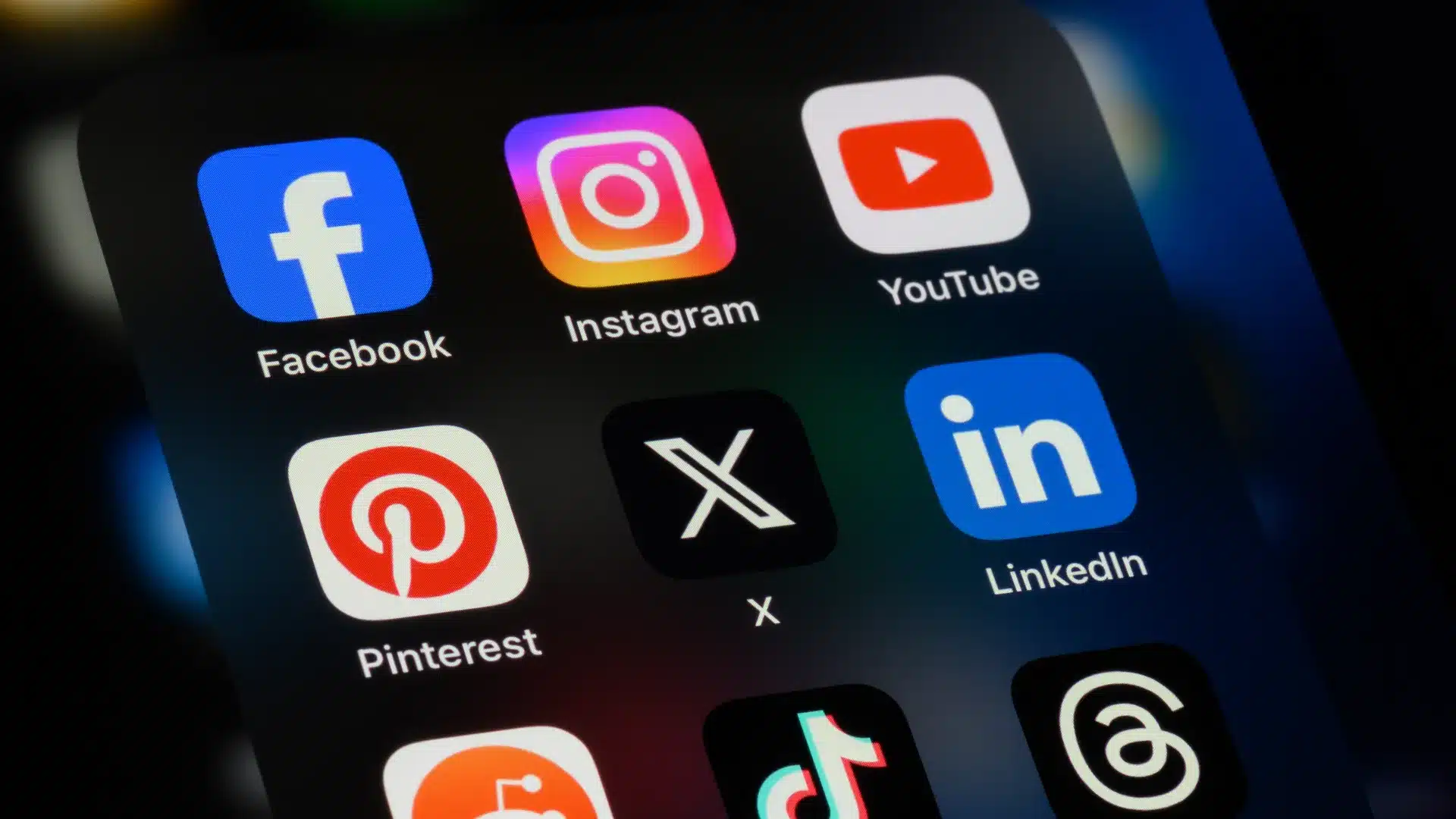

It was 2007 when Steve Jobs unveiled the first iPhone. In less than twenty years, smartphones have become a sort of inseparable extension of our bodies, filled with dozens of apps we use to communicate, work, stay informed, entertain ourselves, take photos, and shop. This relationship is so close and our use so constant that it raises fears that society as a whole has developed an addiction to apps and smartphones.
The numbers, in fact, have long confirmed these fears. According to the most recent research, each of us spends an average of over 4.5 hours with a smartphone in hand, checking it about 150 times a day—once every nine minutes. If that weren’t enough, 84% of people check their phone for the first time within ten minutes of waking up. In short, we can’t stay away from our phones except when we’re sleeping. And sometimes not even then, given how widespread the habit is of taking a quick peek even when we wake up in the middle of the night.
Why are we so addicted to apps? The most important thing to know is that it’s not that we’re weak or lack willpower, but that social media platforms and most apps have been explicitly designed to be addictive and to capture our attention for as long as possible. As former Google designer Tristan Harris has demonstrated, the mechanisms that govern apps and social media are in fact the same ones used to keep people glued to slot machines.
How app addiction works
This isn’t a forced comparison: both apps and slot machines, to capture our full attention, leverage dopamine, a substance produced by our brain that regulates—among other things—everything related to rewards and gratification. To be precise, dopamine is a neurotransmitter that releases a brief sensation of pleasure the very moment we complete a task or receive a reward. But why does dopamine exert such power over us?
To understand this, we need to go back quite a long way in time. It is believed that our brains learned to produce it to motivate us to provide for ourselves and take care of our families. For example: imagine you are a caveman who must regularly go out hunting deer or wild boars to feed himself and his family. Hunting is exhausting; it can take hours or even days. After a while, fatigue sets in, along with hunger and thirst. Your legs feel heavy. Your body is telling you to give up, to lie down and rest a bit. Suddenly, a wild boar appears in the distance: all at once, you feel neither thirst nor fatigue, but only the desire to capture the prey. The moment we release the arrow and strike the animal, a rush of pleasure from dopamine courses through our entire body.
In our society, however, this neurotransmitter is exploited against us to create addiction through a mechanism that Tristan Harris has termed the “intermittent positive reinforcement system.” To understand how it works, let’s take the example of slot machines: pulling the lever represents the intermittent action, after which we wait a few seconds for the reels that make up the various combinations to stop spinning, and finally, we find out whether we’ve won or lost (and thus whether we’ve received a “positive reinforcement”). Every time we win, our brain releases dopamine. Every time we lose, we struggle to resist the temptation to play again, hoping to win our reward and experience that fleeting sensation of pleasure.
It’s the same mechanism behind social media and countless other apps: we post something on Instagram and then wait for the likes and comments that trigger a dopamine release and keep us glued to our smartphones. Whether push notifications are enabled or silenced makes little difference. In the first case, the dopamine hit comes the moment the smartphone rings or lights up, prompting us to check who’s liked or commented. In the second case, the situation is perhaps even worse: we’ll be constantly driven to check our smartphone in the hope that some new notification will appear to trigger that dopamine rush.
It’s also because of dopamine that to-do list apps are so successful. The lists we use to organize our daily tasks aren’t just meant to give us an overview of the situation; they also motivate us to complete those tasks. The moment we check off an item from our to-do list, our brain celebrates this small victory by releasing a surge of dopamine, which then spurs us on to complete the next task on the list.
However, this mechanism is regularly exploited by all kinds of apps: reading apps that send notifications and achievement badges if we’ve read more than the previous week (dopamine!), fitness apps that turn every activity into a series of goals to conquer, language-learning apps that reward us for every level completed, or banking and investment apps that display all our achievements to elicit immediate gratification. In all these cases, the logic is the same: to dispense micro-rewards in abundance to transform ordinary behaviors into a constant source of stimulation and dopamine.
Apps to Limit App Addiction
How can we detox from all this? In response to widespread criticism, the very companies that develop smartphone operating systems have introduced tools that allow users to monitor their usage. Take Screen Time on iOS and Digital Wellbeing on Android: two tools that let you, with just a few clicks, set times when you don’t want to receive notifications, decide when to pause everything, or set a maximum usage time for certain apps. A useful tool, but one that’s easily bypassed: just enter a code or simply click the “ignore” button to keep using your smartphone without any trouble.
Are there more effective tools to help us detox from social media and apps? Some users have found it helpful to set their smartphone display to black and white (here are guides on how to do this on iPhone and Android). Here too, the reason is evolutionary: our brains have learned to be drawn to colorful and shiny things (much like a sugar-rich fruit would appear to a prehistoric human). It is also through colors and brightness that the smartphone captures our attention, which is why switching to a black-and-white mode (often called “grayscale”) can help reduce the attraction we feel toward our cell phones.
Finally, there are apps designed to limit smartphone use. One of the best-known is Forrest, which uses gamification to encourage us to take a break from social media and our phones. For every minute we manage to stay away from our phones, a little tree begins to grow on our screen; however, it will wither if we fail to stick to our digital detox goals. Other apps are much stricter: Focus Lock removes any apps you choose from your phone for the duration you set, preventing you from circumventing the limits.
It’s worth remembering that smartphone addiction isn’t just a matter of wasted time. The constant stream of notifications also causes anxiety and stress: every sound from the phone is interpreted by the brain as a small alarm signal, and when notifications become constant, stress levels rise significantly. We can no longer do without our smartphones, but we can—and should—learn to use them in a more mindful and balanced way.
